Home defense guns
Shotgun, pistol or carbine: how to choose for the house you live in, and what Arkansas law says about using force at home.
A farmhouse at the end of a county road outside Lonoke, where a deputy may be twenty-five minutes away, is a different problem from a duplex in Hillcrest with neighbors through the wall. Start with your floor plan, who sleeps where, and what is on the other side of each wall. Then pick the gun.
Shotguns
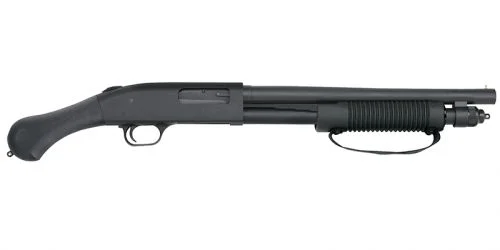
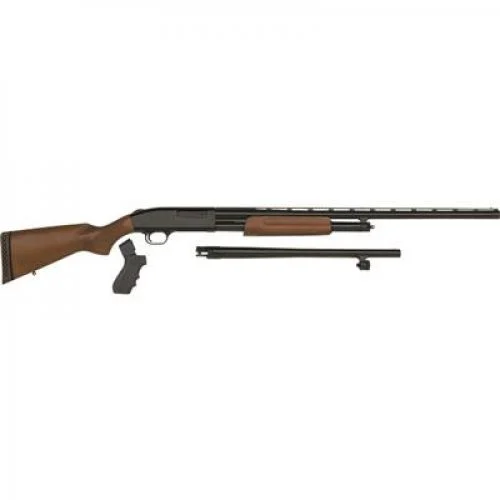
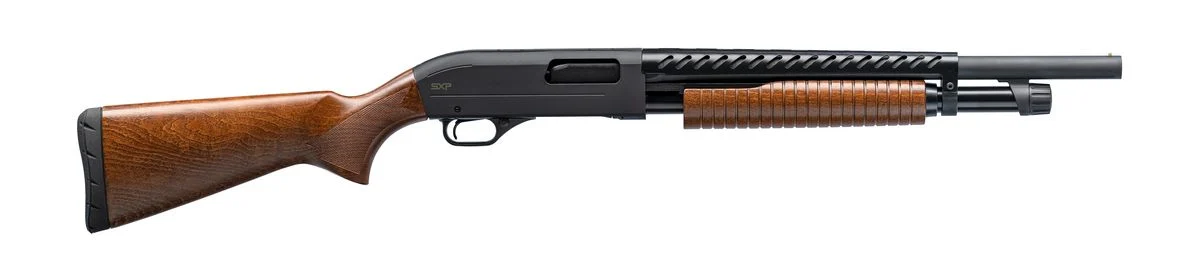
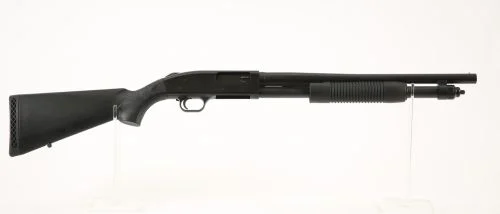
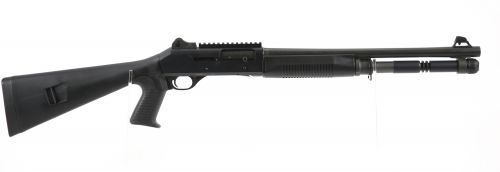
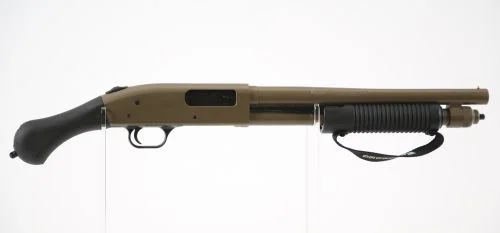
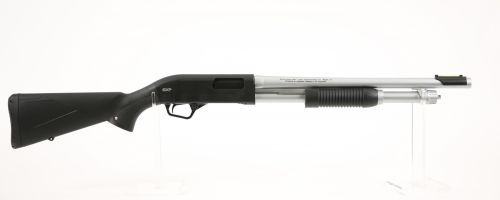
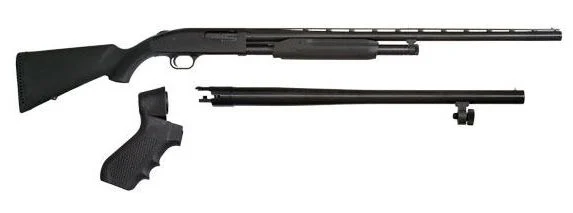
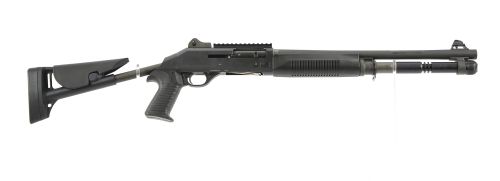
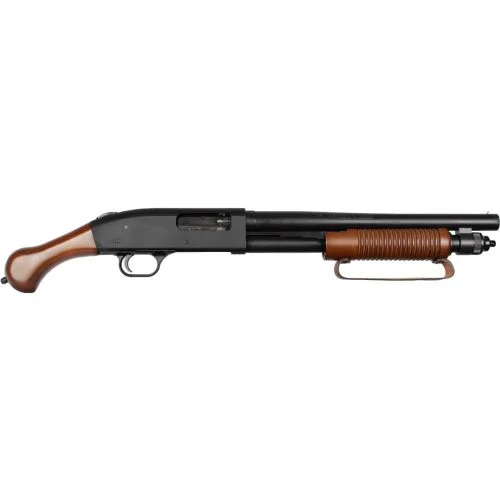
Half the households in this state already own a 12 gauge. A defensive shotgun differs from a field gun in three ways: an 18 to 20 inch barrel, a load of buckshot, and a light mounted on it. With a No. 1 or 00 buckshot load it ends a fight across a room more reliably than anything else here. The costs are real. It needs two hands, recoil is stiff, and it holds five to eight rounds that reload one at a time. A 20 gauge is a serious alternative for anyone who finds a 12 punishing.
Pistols
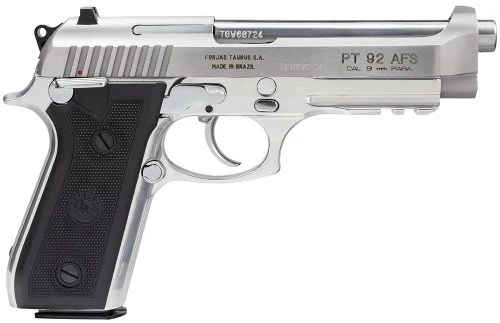
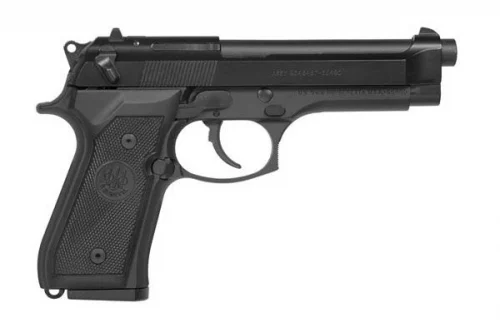
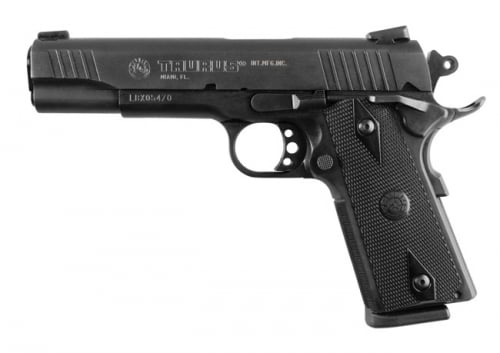
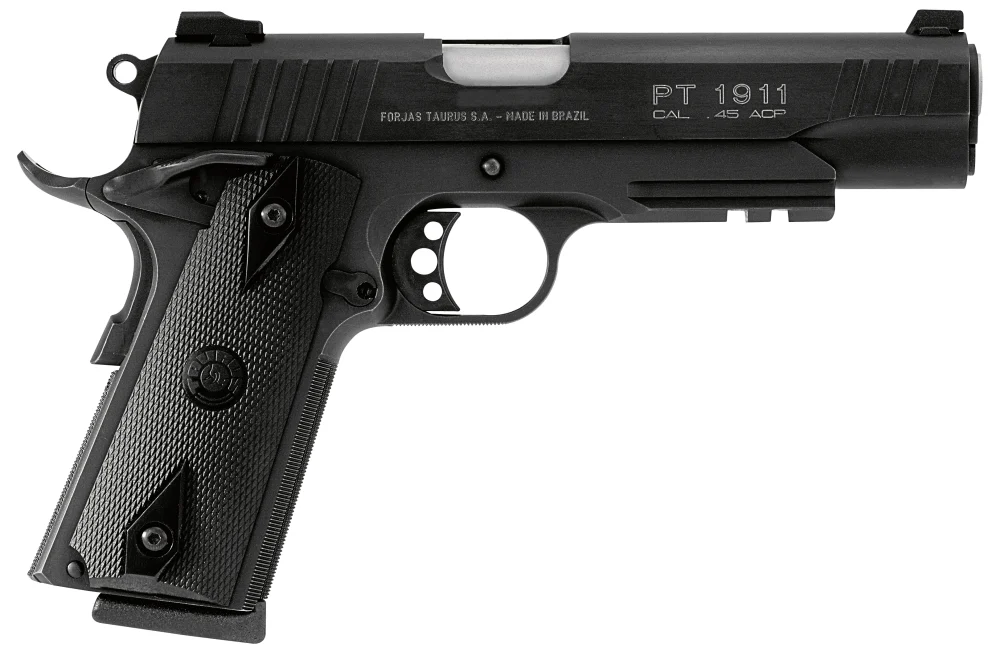
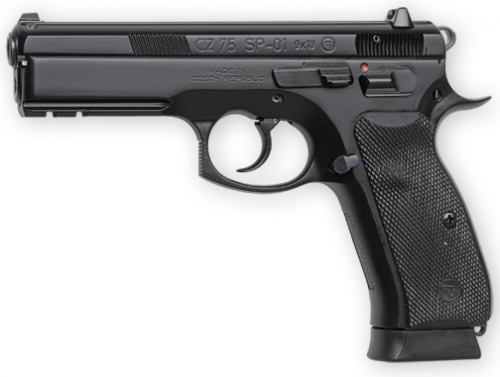
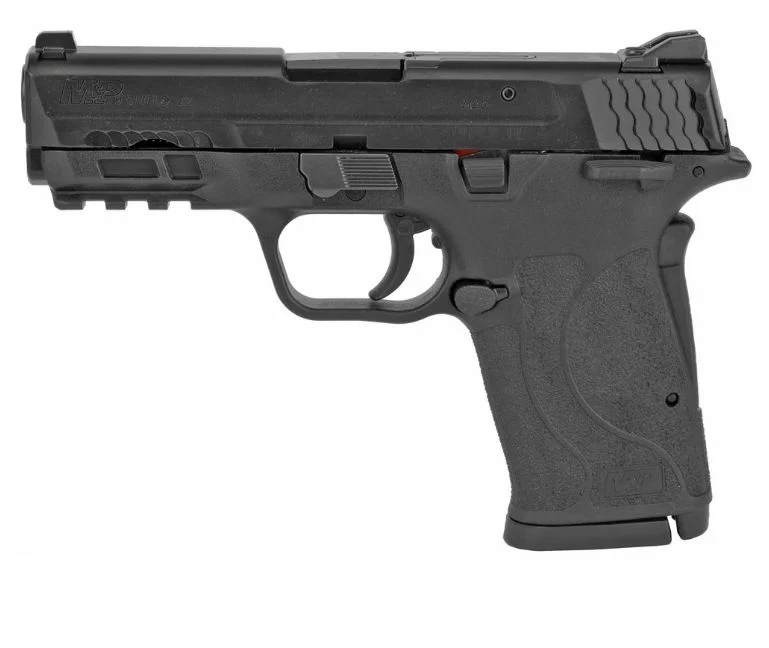
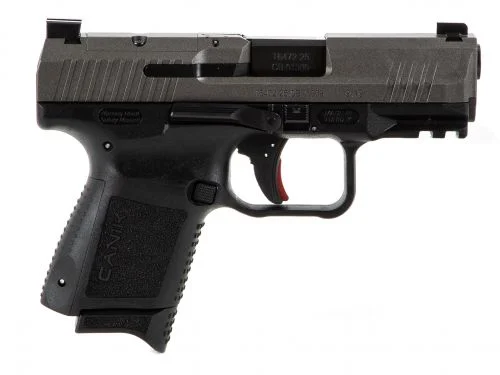
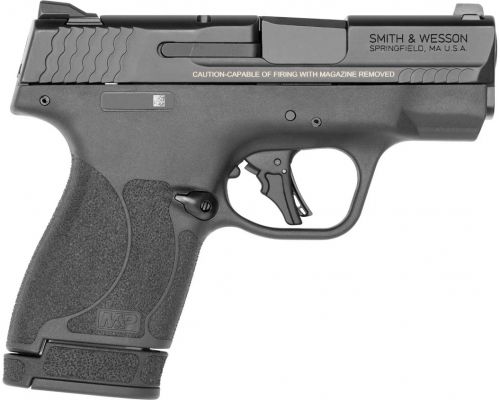
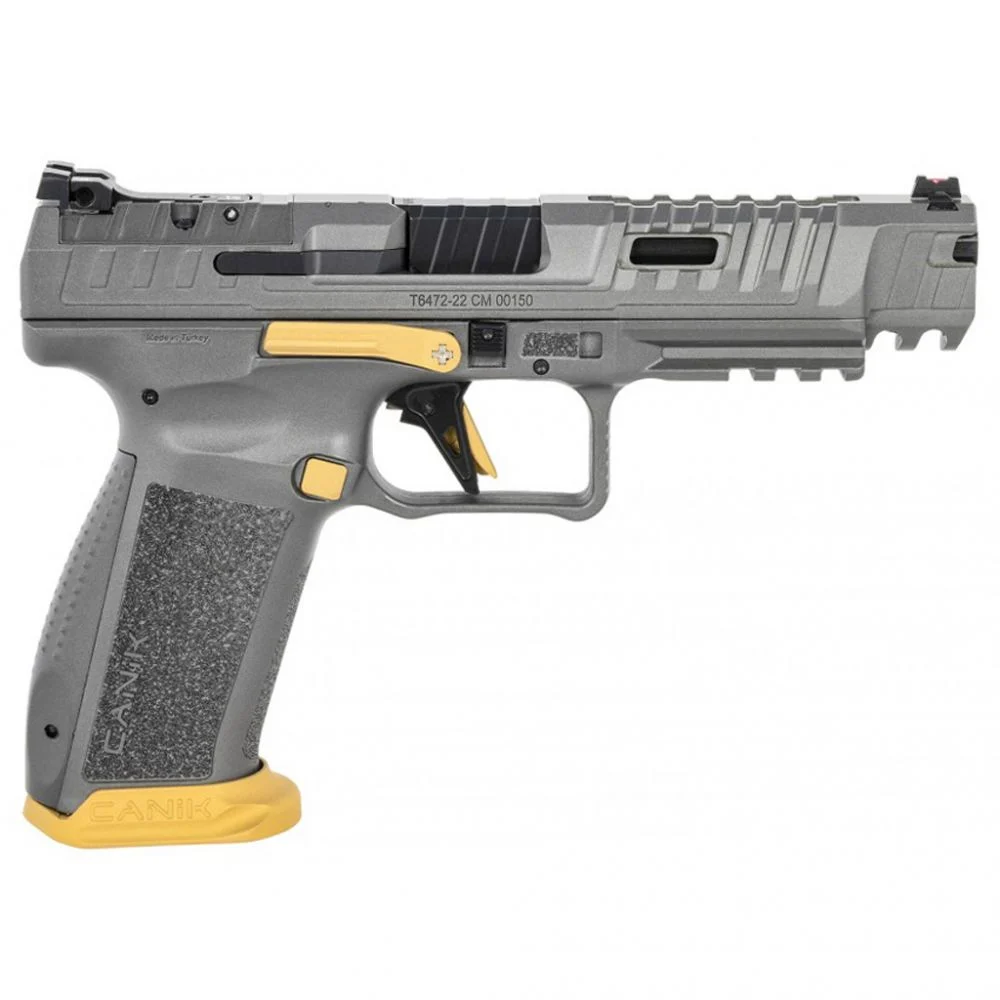
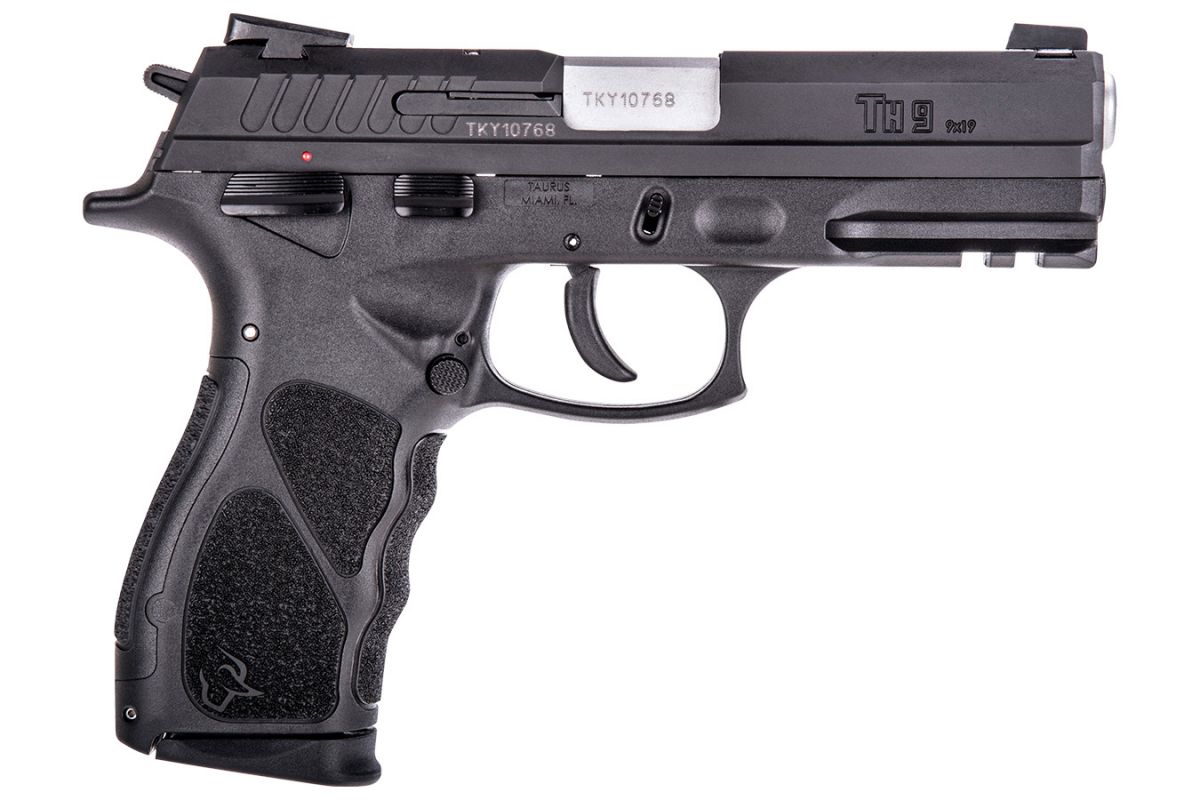
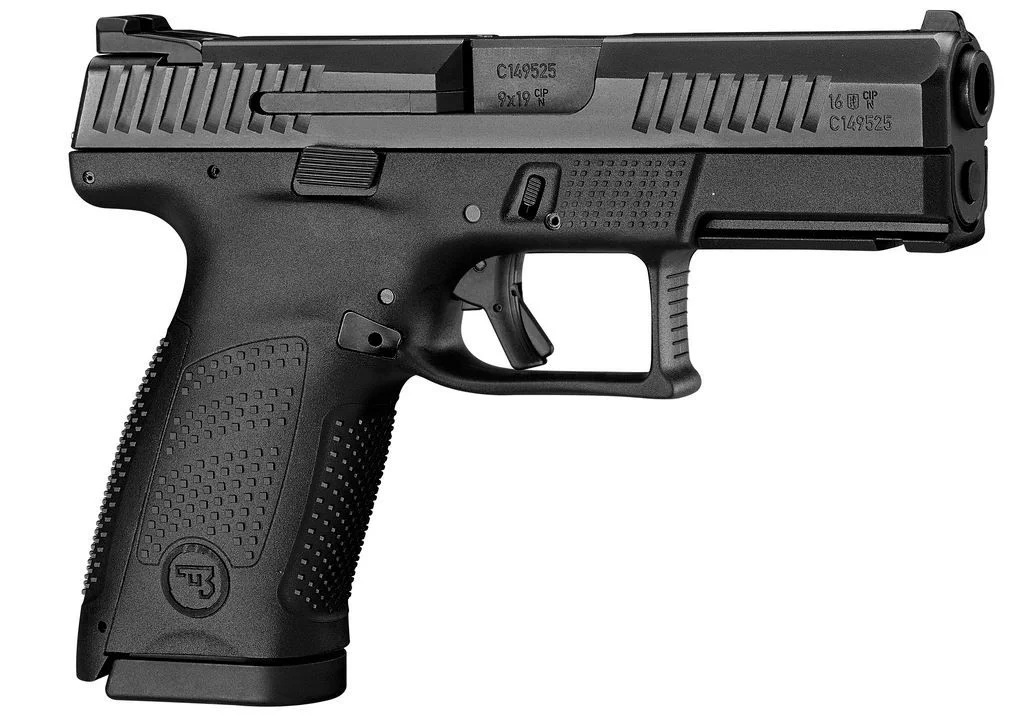
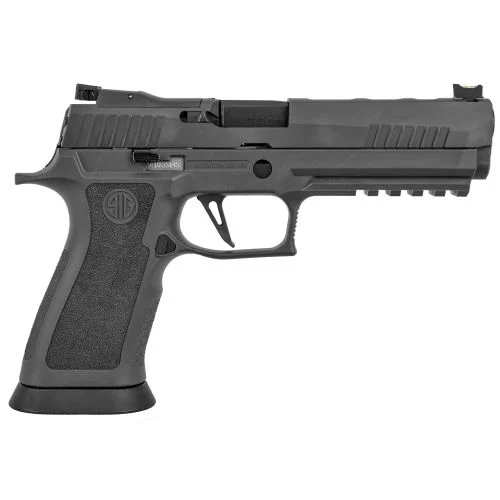
A full-size 9mm holds 15 to 17 rounds, fits a quick-access safe on the nightstand, and leaves a hand free to open a door, carry a toddler or hold a phone to your ear. It can also go with you when you leave the house, as Arkansas requires no licence to carry. The price is skill. A handgun is the hardest firearm to shoot well under stress, and it rewards regular practice more than the others do.
Carbines
An AR-pattern carbine has mild recoil, a long sight radius or an optic, and 30 rounds in a standard magazine. Arkansas places no limit on magazine capacity or rifle features. It is the easiest of the three to hit with. Indoors the blast is punishing, and the bullet will carry a long way if it misses. In open farm country that may matter less; in a subdivision it matters a great deal. Loads designed to fragment help, but they do not remove the risk.
Light, storage and practice
- Mount a light. You have to identify what you are pointing at. The noise at 2 a.m. is more often a teenager or a relative than an intruder.
- Lock it up, keep it quick. A push-button or biometric safe keeps the gun from children and visitors and opens in a couple of seconds.
- Train the dull parts. Loading, clearing a stoppage, working the safety, moving with the muzzle pointed somewhere safe.
- Make a plan. Where the family gathers, who calls 911, what you will say. In most cases the best position is behind cover with the gun pointed at the door, waiting for the sheriff's office.
What Arkansas law says
Justification is set out in Title 5, Chapter 2 of the Arkansas Code. Ark. Code 5-2-607 covers deadly physical force in defense of a person: broadly, it is justified when you reasonably believe the other person is committing or about to commit a violent felony, or is using or about to use unlawful deadly physical force. Ark. Code 5-2-620 deals with force used to defend people and property within a home and creates a legal presumption in favor of the occupant in certain situations.
Act 250 of 2021 removed the general duty to retreat. It applies only when the person is lawfully present at the location, is not the initial aggressor, is not a person barred from possessing a firearm, and is not using the force to further criminal activity, along with the other conditions in the statute. Inside your own home there was already no duty to retreat. None of these sections permits deadly force simply to protect property, and what a prosecutor or jury finds "reasonable" depends on the facts.
General information, not legal advice. Read Ark. Code 5-2-601 through 5-2-621 in the current code and talk to an Arkansas attorney. If you ever have to use a firearm in defense, call 911, ask for medical help, and ask for a lawyer before giving a detailed statement.
Buying one
No permit, registration or waiting period applies in Arkansas. Order here, name a licensed dealer near you, and complete ATF Form 4473 and the NICS check when you pick the gun up. Buyers must be 18 for a shotgun or rifle and 21 for a handgun from a dealer. Defensive ammunition, lights and safes ship straight to your door. How shipping and transfers work.